
Categories In The News

How to survive the holidays this year

‘Setting realistic expectations can help reduce stress’

The turkey is dry, the pie is burning and the doorbell just rang. Your in-laws are here.

Your mother-in-law has lots she wants to talk about after the Nov. 5 election that fiercely divided the country.

Happy Thanksgiving!

“According to the Centers for Disease Control and Prevention, the holiday season can bring increased stress, family conflict, financial strain, loneliness, and emotional triggers that lead to spikes in alcohol- and drug-related deaths,” said a press release issued before the official start of the holiday season from Florida Association of Managing Entities (FAME).

Here are some tips to handle the holidays.

For starters, lay off the booze.

“Alcohol is a depressant that can cause feelings of anxiety, sadness and depression,” the Managing Entities said.

Instead, get active.

“Exercising boosts your mood and combats depression,” the press release added, suggesting to also “set healthy boundaries and don’t overextend yourself. Setting realistic expectations can help reduce stress.”

And, if you need help, ask for it.

“Seek the help of a counselor for mental health needs,” the organization added. “If you feel overwhelmed or the need to get help to address your feelings, contact a counselor; and Call 2-1-1 if needed to connect with resources in your community.”

The National Council on Aging is also urging people to start a gratitude journal or gratitude jar to count their blessings, but also to learn how to say “no.”

“Every feeling you experience is valid. Give yourself permission to feel each feeling,” the council said as it also gave some stress-relieving tips to get into a better mindset this holiday.

Try something creative, like cooking something new or getting out the art supplies, or volunteer to help others.

“The holidays are a time of joy, but they can also be a time of tremendous stress and emotional turbulence for many that can trigger unhealthy and dangerous coping strategies, such as increased drug and alcohol use,” said Natalie Kelly, the association’s CEO. “Florida’s behavioral health Managing Entities are reminding Floridians that there are healthy ways to relieve stress and to care for your physical and mental health during this taxing time.”

The seven non-profit Managing Entities work with a network of 326 behavioral health care providers who provide services to over 300,000 of Florida’s residents in need from veterans, children, the homeless and expecting mothers.
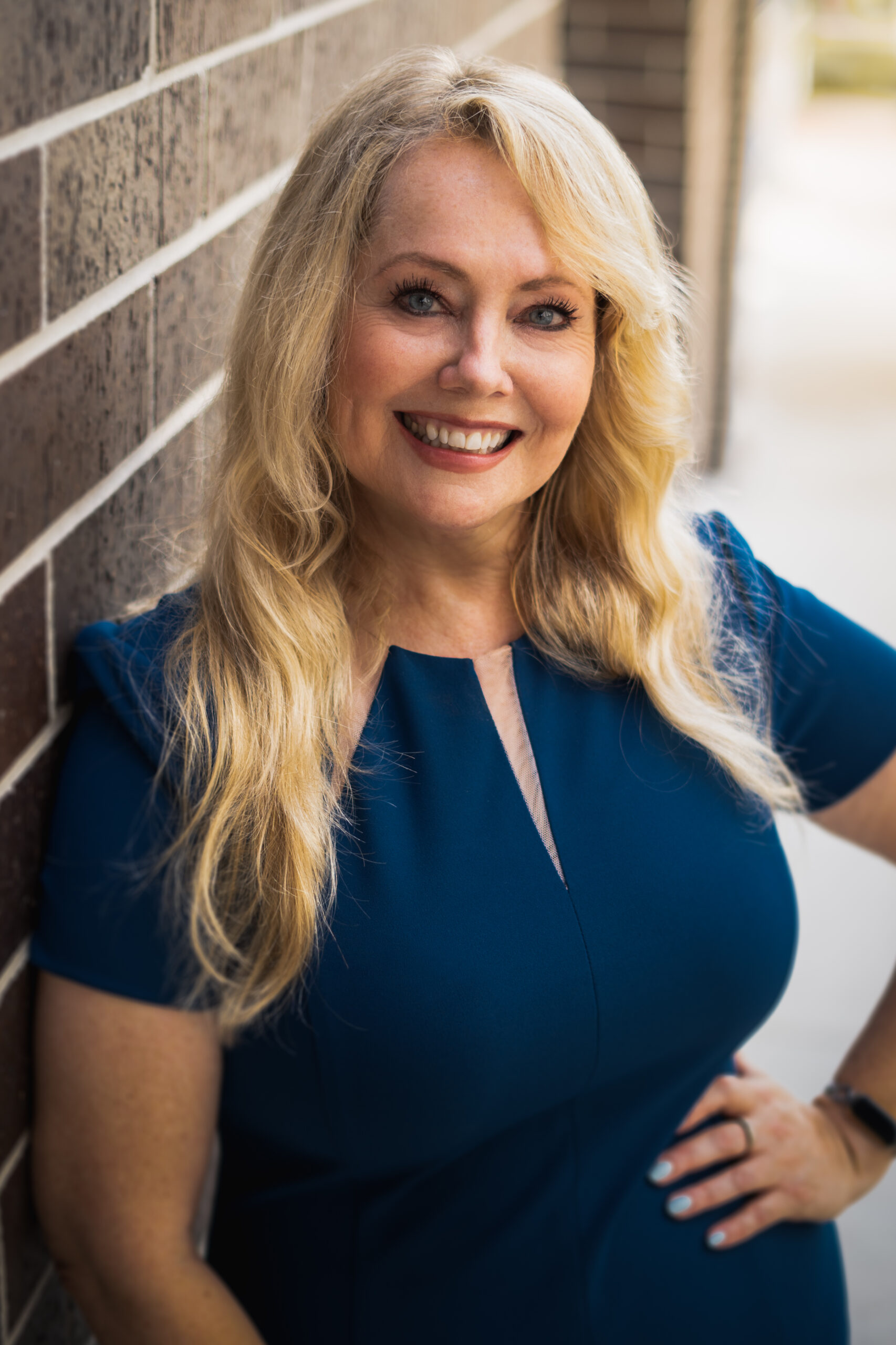
Categories In The News

Natalie Kelly: Veteran sacrifices include wounds not visible to the eye; long-term mental health, substance use issues

Florida has prioritized connecting veterans with the behavioral health services they need to lead healthy lives.

As we gather in our communities across the nation this week to celebrate our veterans on Veterans Day, we must recognize that – because of their fight for our freedom – many veterans carry issues with long-term mental health and/or substance use disorder.

According to the Department of Veterans Affairs, in 2020, the suicide rate for veterans was 57.3% higher than that of non-veteran adults. Also in 2020, suicide was the second leading cause of death among veterans under 45.

Florida is home to the third largest veteran population in the nation, and under the leadership of Gov. Ron DeSantis, Florida has prioritized connecting veterans with the behavioral health services they need to lead healthy lives.

Most importantly, anyone thinking about suicide should call 9-8-8, the national suicide hotline. Also, Florida has a behavioral health safety net system that connects Floridians, including veterans, with behavioral health providers–regardless of whether one is insured.

This safety net system consists of Florida’s seven behavioral health Managing Entities that work with a network of over 300 behavioral health care providers, delivering services to more than 300,000 of Florida’s most vulnerable residents, including children, expectant mothers, veterans and the chronically homeless.

Behavioral health providers within the network provide essential services, such as crisis stabilization, care coordination, housing, transportation and employment. Care coordination is critical and ensures that people receive various services to meet their unique needs.

While the echoes of marching bands fade away as Veterans Day parades end across the country, let’s commit to supporting our veterans every day of the year, not just on Veterans Day.

Natalie Kelly is CEO of the Florida Association of Managing Entities.

Categories In The News

Maria Bledsoe: Teen Mental Wellness Day reminds Floridians to act on the youth mental health crisis

In order to support teenagers, we must have resources available to them in schools and at home.

Young people nationwide — particularly teenage girls — are facing a mental health crisis. Findings in a recent report published by the Centers for Disease Control (CDC) show that nearly 1 in 3 high school girls considered suicide in 2021, a 60% increase since 2011.

Further, 57% of teen girls reported feelings of sadness or hopelessness in 2021.

And it isn’t just girls facing mental health troubles. According to a 2019 survey by the Substance Abuse and Mental Health Services Administration, teen depression doubled between 2010 and 2019, well before COVID-19 lockdowns, and has been on the rise since then.

March 2 is World Teen Mental Wellness Day, and the Florida Association of Managing Entities is encouraging Floridians to take action to remedy our youth mental health crisis by supporting behavioral health care in schools and teenagers in need of help.

While the pandemic is often cited as the main cause of the current youth mental health crisis, and though the isolation it imposed did exacerbate the issue, teens were facing mental health issues long before. Life for teenagers now is much different from just 20 years ago. Social media is now the preferred way to communicate and hang out. Gone are the days of meeting up with your friends in person, and in are the days of texting, Snapchatting, or sending TikToks to each other without any in-person conversation.

This has caused an increase in cyberbullying, body image issues, insecurities, and more, all of which deeply negatively affect teenagers’ mental health.

In order to support teenagers, we must have resources available to them in schools and at home. The Florida Association of Managing Entities is Florida’s behavioral health care safety net system serving more than 300,000 of Florida’s uninsured and low-income residents. It works with its seven statewide Managing Entities, who coordinate with their behavioral health care network to provide care to those who need it.

The Managing Entities and their provider network work closely with schools statewide to offer behavioral health care services to students in need.

Additionally, teachers, guidance counselors, or school nurses can share in their lessons how mental health is just as important as physical health and can encourage students to talk to a trusted adult if they are struggling.

At home, parents or guardians of teens should practice their own healthy habits as role models for their children. Checking in regularly, monitoring social media use, talking and listening, and showing compassion can help teens cope with mental health concerns.

Being a teenager is hard — it’s the awkward phase between being a child and an adult, and it’s a time that carries significant physical and emotional challenges. Let’s not let mental health issues become an insurmountable challenge for our teens — let’s support them with behavioral health care in schools and at home.

Maria Bledsoe is the president of the Florida Association of Managing Entities, the statewide organization representing Florida’s seven Managing Entities that advance the behavioral health recovery of individuals and their families in Florida. Bledsoe is the CEO of Central Florida Cares Health System, Inc.

Categories In The News

Hurricane season is stressful, but Florida mental health experts are there to help

More than 500 mental health contractors are available in Florida to help residents cope with anxieties during the season.

Florida is now well into the midst of hurricane season, and this time of year can be loaded with stress for residents trying to cope with threatening systems.

The 2024 season alone saw three substantial hurricanes strike the Sunshine State in as many consecutive months. As with any hurricane season, just keeping an eye on the weather forecast can create mental health pressure for anyone in a storm’s potential path.

The Florida Association of Managing Entities (FAME) says managing mental health during the season, which lasts until Nov. 30, is just as important as any other storm plans, such as learning evacuation routes and gathering storm supplies.

“Damage from hurricanes isn’t only visible on rooftops or roads — it’s deeply experienced in the lives of people coping with loss, disruption, and uncertainty,” said Natalie K. Kelly, CEO of FAME. “Floridians should know that help is available, and if anyone is feeling overwhelmed, anxious, or depressed, they can call 2-1-1 to connect with local behavioral health resources.”

There are more than 500 contracted local providers for mental health services in the state. The behavioral health safety net system is coordinated by seven regional Managing Entities. FAME managers advise residents that in the event of a hurricane — either before, during or after — providers are there to respond to requests and offer help.

“These providers deliver critical mental health and substance use treatment services to vulnerable groups, including the uninsured and underinsured, children, veterans, expectant mothers, and individuals experiencing homelessness,” a FAME news release said Monday.

FAME officials say there is a simple list of tips to keep in mind for mentally dealing with a hurricane, including:

— Acknowledge that the feelings of anxiety and stress are normal. Extreme fear and uncertainty are common reactions and these emotions can contribute to an elevated stress response.

— Focus on what is within your control and take action.

— Create a support network.

— Discuss your feelings with friends and families, including children in age-appropriate ways.

— Give back. Volunteering or supporting others can provide a sense of purpose and help you gain control.

— Establish routines as soon as possible after the storm.

— After the storm, focus on what steps you’ll take during the recovery phase.

Anyone who has thoughts of self-harm should immediately call or text 988, the Suicide and Crisis Lifeline, which is available at all hours of every day.

Categories In The News

Natalie Kelly: Florida’s behavioral health safety net — a model of accountability, transparency

Florida’s behavioral health safety net: Committed to transparency and serving Floridians.

Florida has built a unique and effective safety net system to ensure uninsured and underinsured individuals receive critical behavioral health services. After the Parkland tragedy, the Legislature also tasked our safety net with implementing crisis response teams to assist anyone in need within 59 minutes.

Behavioral Health Managing Entities, acting as a Lead Agency under contract with the Department of Children and Families, work with more than 300 local providers statewide to offer local services, ranging from crisis intervention to long-term recovery support. Florida’s behavioral health safety net system serves more than 250,000 individuals annually.

These lead agencies operate as not-for-profits and provide the highest return on investment, with an administrative rate below 3.2%. This efficiency ensures that every taxpayer dollar is used effectively, with fiscal prudence and transparency.

Recently, Florida lawmakers introduced House Bill 633 and Senate Bill 1354, requiring the Department of Children and Families to subcontract operational and financial audits to evaluate which metrics and criteria best assess performance and outcomes. The bill would also standardize data requirements and reporting, increasing transparency for all stakeholders.

As CEO of Florida’s Association of Managing Entities, I can confidently affirm that our commitment to accountability and transparency is unwavering. Each Behavioral Health Managing Entity submits more than 65 reports annually to the Department of Children and Families, detailing business practices, contracting requirements, performance outcomes, and expenditures.

We commend Representative Koster and Senator Trumbull for their leadership and commitment to developing the behavioral health performance management system of the future.

Beyond financial accountability, Florida’s Behavioral Health Managing Entities focus on evidence-based best practices to maximize positive outcomes. In Fiscal Year 2023-2024, our network of providers achieved the following results:

  • 98% of children in the Community Action Treatment (CAT) Teams were diverted from juvenile justice system involvement.
  • 97% of children in the CAT program avoided placement in State Inpatient Psychiatric Programs.
  • 96% of individuals enrolled in payor-level care coordination avoided costly crisis stabilization units, emergency rooms, and jails.
  • Through Mobile Response Teams, 80% of individuals were diverted from Baker Act admissions, resulting in an estimated annual cost savings of $12.2 million for the state.

Behavioral Health Managing Entities are just one part of Florida’s vast and complex behavioral health system. Transparency and accountability must be extended to the entire behavioral health system of care, including private insurance and Florida’s Statewide Medicaid Managed Care Program, overseen by the Agency for Health Care Administration.

Behavioral Health Managing Entities and their network of providers are the safety net that cares for the state’s most vulnerable populations. We are dedicated to serving Floridians with complete transparency and accountability in the best way possible. We meet each community’s unique needs and help Floridians get back on their feet to live life to their fullest potential.

Natalie Kelly is CEO of the Florida Association of Managing Entities.